Living with hypothyroidism can feel frustrating, especially when you’re trying to lose weight. If you’ve been struggling with unexplained weight gain, constant fatigue, or feeling cold all the time, you’re not alone. Many women experience these hypothyroidism symptoms, and the good news is that the right hypothyroidism diet can make a significant difference in managing your condition and supporting healthy weight loss.
Understanding Hypothyroidism and Diet Connection
Hypothyroidism occurs when your thyroid gland doesn’t produce enough thyroid hormones, which slows down your metabolism. This makes it harder to lose weight and easier to gain it. While medication is essential, what you eat plays a crucial role in managing your thyroid health.
Can hypothyroidism be cured with diet and exercise? While diet alone cannot cure hypothyroidism, it can significantly improve your symptoms and quality of life. Many people ask, “Can hypothyroidism be reversed through diet?” The answer is nuanced—diet can help manage symptoms and support thyroid function, but you’ll likely still need medication. However, the right hypothyroidism diet plan can help you feel much better and achieve a healthy weight.
Common Hypothyroidism Symptoms in Females
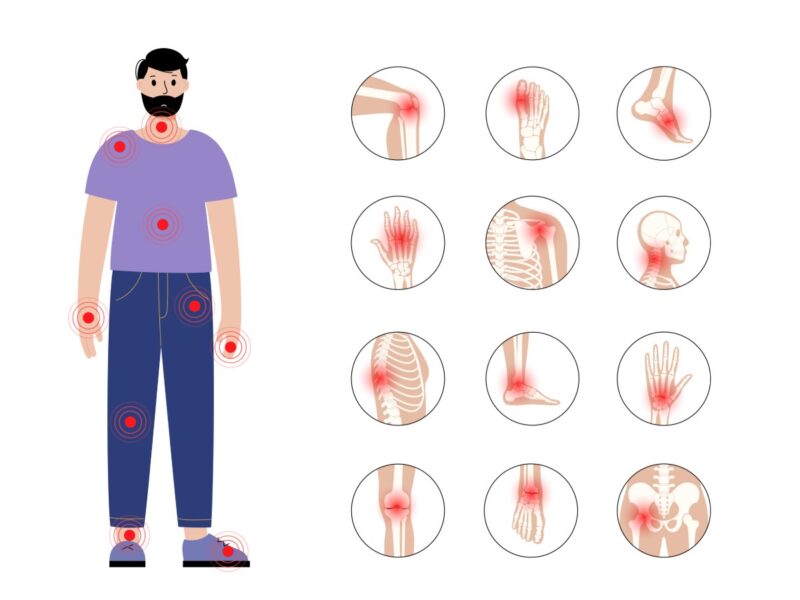
Before diving into the diet, it’s important to recognize the symptoms. Hypothyroidism symptoms in females often include unexplained weight gain despite eating normally, constant tiredness and low energy, feeling cold even in warm weather, dry skin and hair fall, constipation and bloating, irregular or heavy periods, brain fog and difficulty concentrating, and mood swings or depression.
If you’re experiencing several of these symptoms, consult your doctor for proper diagnosis through blood tests.
Hypothyroidism Diet Chart: What to Eat
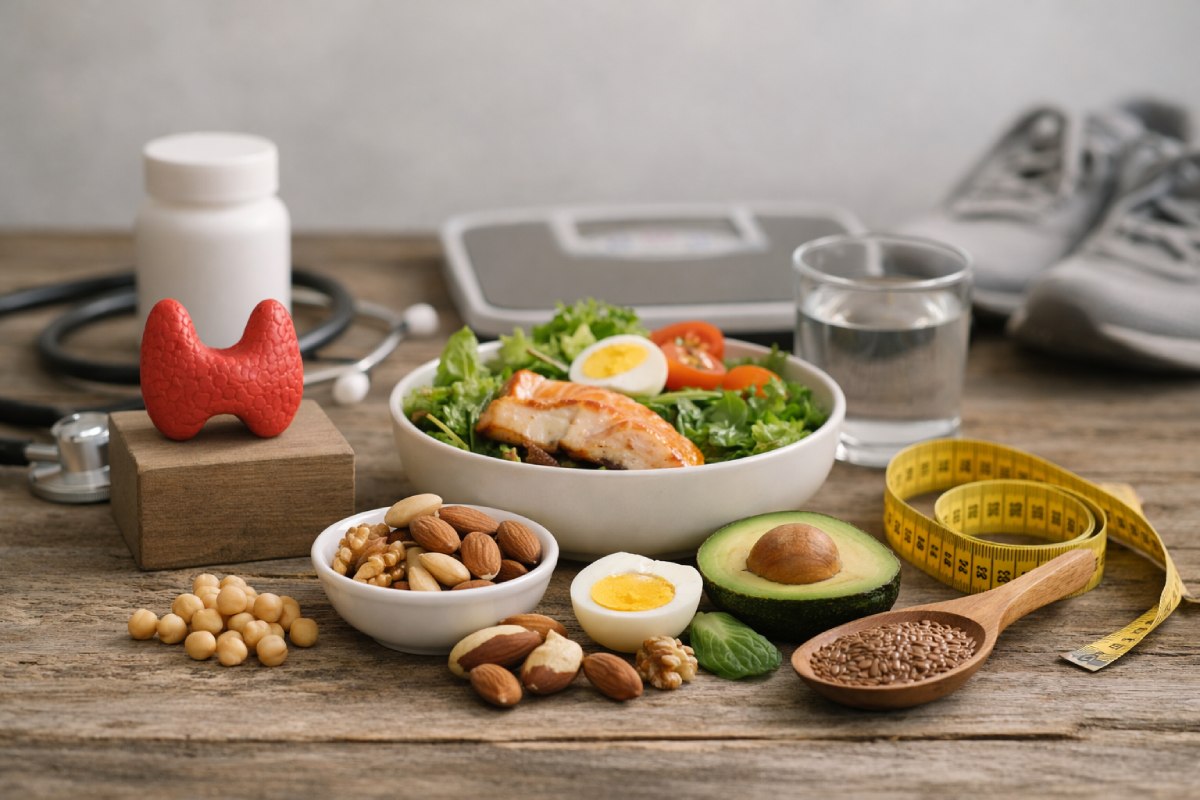
Here’s a practical hypothyroidism diet chart focusing on foods that support thyroid function and weight loss:
Iodine-Rich Foods (In Moderation)
Iodine is essential for thyroid hormone production, but too much can also be harmful. Include fish like rohu, pomfret, and salmon, eggs (especially the yolk), dairy products like milk, curd, and paneer in moderate amounts, and iodised salt (but don’t overdo it).
Selenium-Rich Foods
Selenium helps activate thyroid hormones. Good sources include Brazil nuts (just 2-3 daily is enough), sunflower seeds, chicken and fish, mushrooms, and eggs.
Zinc-Rich Foods
Zinc supports thyroid hormone production. Include chickpeas, moong dal, masoor dal, pumpkin seeds, cashews and almonds, chicken and eggs, and paneer and tofu.
Protein at Every Meal
Protein boosts metabolism and helps with weight loss. Include dal and legumes, eggs, chicken breast, fish, paneer, tofu, Greek curd, and sprouts.
Healthy Fats
Don’t fear fats—they’re essential for hormone production. Include ghee in moderation, olive oil for cooking, nuts like almonds and walnuts, flax seeds and chia seeds, and avocado (when available).
Fiber-Rich Foods
Fiber helps with digestion and weight management. Include all green leafy vegetables, cabbage, cauliflower, broccoli, beans, carrots, and pumpkin, whole grains like oats, brown rice, jowar, bajra, and fruits like apples, pears, and guava.
Sample Daily Hypothyroidism Diet Plan
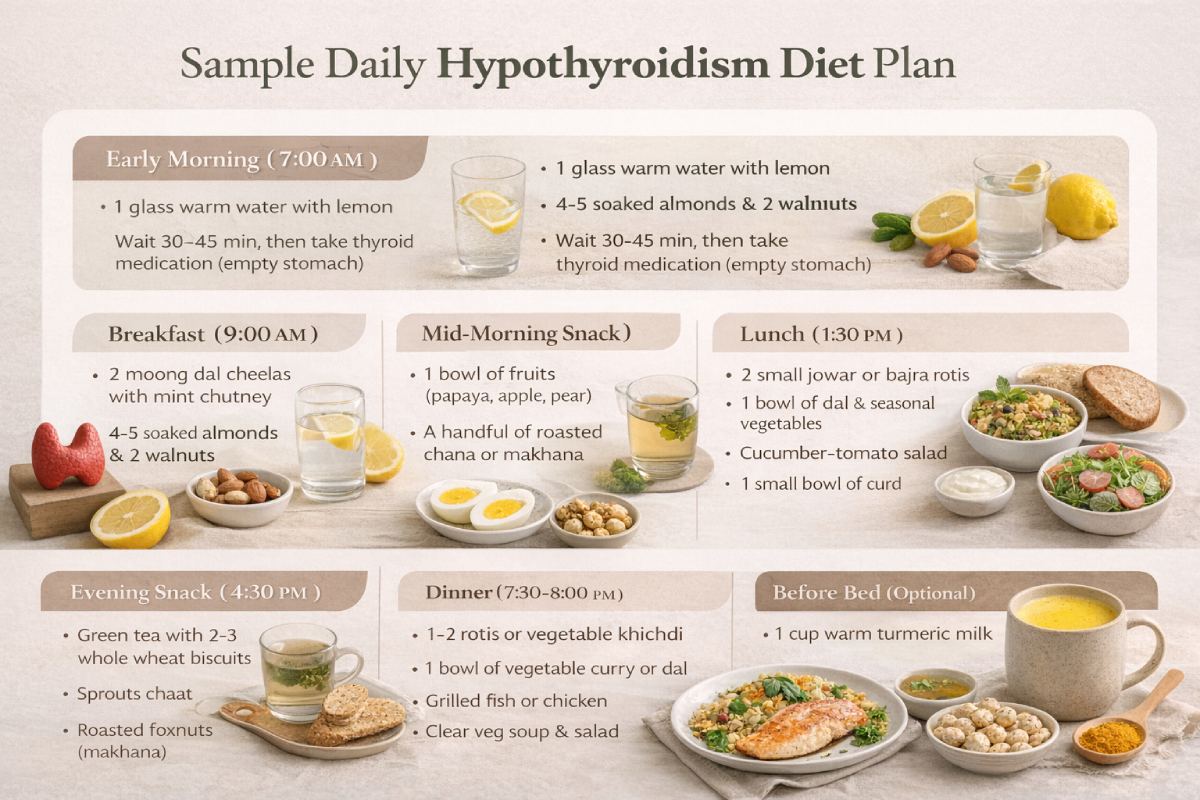
Early Morning (7:00 AM)
- 1 glass warm water with half a lemon
- 4-5 soaked almonds and 2 walnuts
- Wait 30-45 minutes before taking thyroid medication (take medicine on empty stomach)
Breakfast (9:00 AM – after medication)
- 2 moong dal cheelas with mint chutney OR
- 2 eggs (boiled/omelette) with 1 multigrain toast OR
- Oats upma with vegetables
- Green tea or black coffee (without sugar)
Mid-Morning Snack (11:00 AM)
- 1 small bowl of fruits (papaya, apple, or pear)
- A handful of roasted chana or makhana
Lunch (1:30 PM)
- 2 small jowar or bajra rotis
- 1 bowl of dal (moong, masoor, or chana dal)
- 1 bowl of seasonal vegetables
- Cucumber-tomato salad with lemon
- 1 small bowl of curd
Evening Snack (4:30 PM)
- Green tea with 2-3 whole wheat biscuits OR
- Sprouts chaat OR
- Roasted foxnuts (makhana)
Dinner (7:30-8:00 PM)
- 1-2 rotis or vegetable khichdi
- 1 bowl of vegetable curry or dal
- Grilled fish or chicken (for non-vegetarians)
- Clear vegetable soup
- Salad
Before Bed (optional)
- 1 cup warm turmeric milk (if you’re not lactose intolerant)
Foods to Avoid in Hypothyroidism Diet
Certain foods can interfere with thyroid function or medication absorption. Limit or avoid soy products in excess (soy milk, tofu in large amounts), raw cruciferous vegetables in large quantities (eat them cooked instead), processed and packaged foods, excessive sugar and refined carbs (maida, white bread, biscuits), fried foods and trans fats, too much caffeine, and alcohol.
How to Control Hypothyroidism with Diet: Practical Tips
Take Medicine Properly: Always take your thyroid medication on an empty stomach, 30-60 minutes before breakfast, with water only. Don’t take it with tea, coffee, or milk.
Eat Regular Meals: Don’t skip meals, especially breakfast. Eating at regular intervals helps maintain stable blood sugar and energy levels.
Stay Hydrated: Drink 8-10 glasses of water daily. Proper hydration supports metabolism and helps reduce bloating.
Control Portion Sizes: Even healthy foods can contribute to weight gain if eaten in excess. Use smaller plates and eat mindfully.
Limit Goitrogenic Foods: While cruciferous vegetables are healthy, eating them raw in large amounts can interfere with thyroid function. Cook them well to reduce goitrogens.
Exercise Regularly: Combine your diet with regular physical activity—at least 30-40 minutes of walking, yoga, or light exercise daily.
Manage Stress: Stress affects thyroid function. Practice yoga, meditation, or deep breathing exercises daily.
Get Enough Sleep: Aim for 7-8 hours of quality sleep. Poor sleep can worsen thyroid symptoms and make weight loss harder.
Subclinical Hypothyroidism Diet
If you have subclinical hypothyroidism (slightly elevated TSH but normal thyroid hormones), diet becomes even more important. Follow the same thyroid food diet mentioned above, but you may have more flexibility. Focus on anti-inflammatory foods, maintain a healthy weight, and get your thyroid levels checked every 3-6 months.
For subclinical hypothyroidism, lifestyle modifications including diet and exercise can sometimes prevent progression to full hypothyroidism.
What to Expect with Hypothyroidism Diet Plan
Be realistic about expectations. You won’t see overnight results, but with consistency, you can expect improved energy levels within 2-3 weeks, better digestion and less bloating in 3-4 weeks, gradual weight loss (0.5-1 kg per month is healthy), better mood and mental clarity, and improved thyroid markers in blood tests over 2-3 months.
Remember, weight loss with hypothyroidism is slower than normal, but it’s definitely possible with the right approach.
Final Thoughts
Managing hypothyroidism through diet isn’t about extreme restrictions—it’s about making smart, consistent choices that support your thyroid function and overall health. The right foods for hypothyroidism can help regulate your hormones, boost your metabolism, and improve how you feel every day.
Don’t get discouraged if progress seems slow. Your body is dealing with a hormonal imbalance, and healing takes time. Focus on how you feel rather than just the number on the scale. Increased energy, better sleep, improved digestion, and mental clarity are all signs that your hypothyroidism diet plan is working.
If you’re struggling to manage your symptoms or lose weight despite following a healthy diet, consult with a qualified dietitian who specializes in thyroid disorders. They can create a personalized thyroid food diet plan based on your specific needs, medication, and lifestyle.
Important Note: This diet plan is for general guidance only. Always consult your doctor before making significant dietary changes, especially if you’re on thyroid medication. Individual needs vary based on your TSH levels, symptoms, and other health conditions.
Start making small changes today, stay consistent, and give your body the nutrition it needs to thrive!