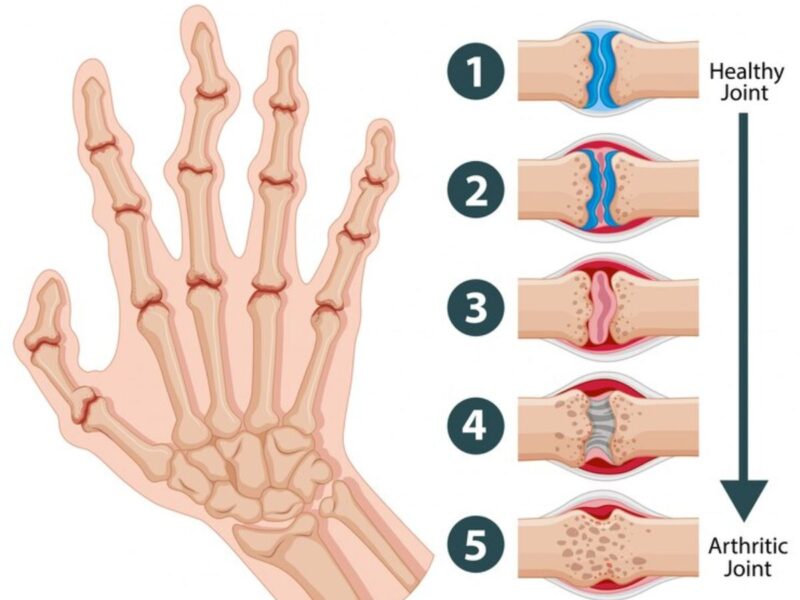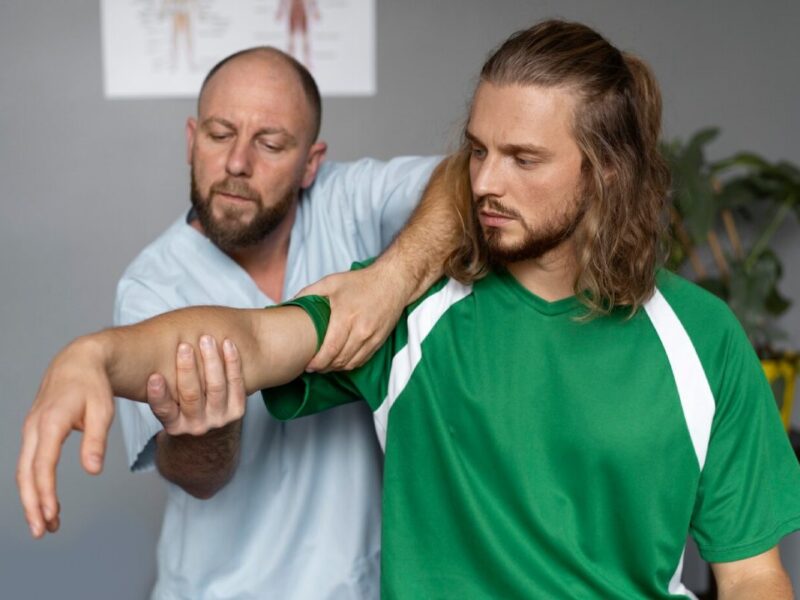
Joint pain can really mess up your daily routine, isn’t it? Whether it be climbing stairs at your Kolkata Metro station, or having to sit through long office hours in Salt Lake, or even just picking up your shopping bags from Gariahat Market, that nagging pain in the knees, shoulders, or hips can make everything difficult.
Many immediately reach for painkillers, while others feel surgery is their only option. But let me tell you something: physiotherapy can treat your joint pain more effectively and safely than most other treatments.
Let’s understand how.
Why Do Our Joints Start Hurting?

Your joints are like the hinges of a door, both needing good lubrication, alignment, and strength to be able to work smoothly. With age, wear and tear naturally take their toll on cartilage between bones.
Poor sitting posture hunched over laptops puts extra stress on joints; lack of movement in joints makes them stiff, earlier injuries may resurface, and extra weight burdens knees and hips.
Why Physiotherapy Works Better Than Just Taking Medicines
Thing with painkillers is that they only last for so long; they don’t cure the problem. It’s a lot like trying to put tape on a leaking pipe rather than actually trying to fix it.
On the other hand, physiotherapy addresses the root cause. Here’s how:
1. Strengthens the Muscles Around Your Joints
Weak muscles cannot support your joints well enough. The physiotherapist devises specific exercises that strengthen the muscles around your painful joint. When those muscles get stronger, they take pressure off the joint itself.
For instance, knee joint pain may be significantly reduced by strengthening the muscles of the thigh, especially the quadriceps. Many patients at Shape and Strength clinic in Kolkata have experienced this firsthand.
You May Like Also: 4 Reasons Why Physiotherapy is Better Than Pain Pills
2. Improves Your Range of Motion
Stiff joints ache more. Physiotherapy includes gentle stretching exercises that gradually increase your flexibility, meaning you can move more freely without that sharp pain.
Whether shoulder joint pain prohibits you from reaching up or hip joint pain keeps you from walking easily, focused physiotherapy exercises return your natural motion.
3. It helps naturally reduce inflammation
Physiotherapists use various techniques, including manual therapy, ultrasound therapy, and cold/hot therapy to reduce swelling and inflammation in your joints. These techniques work in harmony with the body’s natural repair mechanisms instead of against them.
4. Corrects Your Posture and Movement Patterns
Sometimes, without even realizing it, we form bad habits. Perhaps because you always stand with more weight on one leg, or simply because your shoulders are always hunched. A trained physiotherapist identifies these patterns and teaches you how to move correctly.
According to Dr. Yogitaa Mandhyaan, founder of Shape and Strength, correcting posture can eliminate joint pain in many cases without any medication at all.
5. Avoids Future Issues
Unlike painkillers that only work when you take them, physiotherapy gives you tools to manage your joint health long-term. You learn exercises and techniques that you can continue at home.
What to Expect from a Physiotherapy Session for Joint Pain?
Your physiotherapist will review your pain, day-to-day activities, and joint movement. He or she will then outline an individualized treatment plan and lead you through therapeutic exercises.
Modern equipment used to accelerate healing includes ultrasound therapy and heat therapy. You will also be given some exercises to carry out at home between sessions.
Which Joint Problems Can Physiotherapy Treat?
Physiotherapy effectively treats knee joint pain from arthritis or ligament injuries, shoulder problems like frozen shoulder, hip joint pain common in older adults, elbow issues like tennis elbow, and even big toe joint pain from bunions or arthritis.
How Long Does It Take to See Results?
And this is everyone’s question! Honestly, it depends on several factors:
– How bad is your pain?
– How long have you had this problem?
How regularly do you adhere to the treatment plan?
Sometimes people feel relief within 2-3 sessions, especially for problems that have just arisen. Chronic joint pain that’s been troubling you for years might take a few weeks or months to improve significantly.
The good news? If you’re doing the program correctly, you will usually see some improvement within the first couple of weeks.
Why Physiotherapy is Better Than Surgery for Most Cases
Surgery should be the last option, not the first. Here’s why physiotherapy should be tried first:
- Non-invasive: No cuts, no stitches, no hospital stay.
- No side effects: Unlike medications, physiotherapy does not have side effects.
- Cost-effective: Less expensive than surgery and medication over time.
- Faster recovery: You can carry on with your daily activities while undergoing physiotherapy.
- Long-term solution: Surgery corrects one problem, whereas physiotherapy teaches you how to keep your joints healthy throughout your life.
Studies have shown that for conditions such as knee arthritis and shoulder problems, physiotherapy yields results equal to surgery-but without the risks.
When Should You Start Physiotherapy?
The best time?
As soon as you notice that joint pain doesn’t improve with rest. Don’t wait for it to become unbearable.
Early intervention translates to quicker recovery. If you have been ignoring that knee pain for months, thinking it would just go away on its own, then now is the time to act.
Final Thoughts
You don’t have to live with joint pain. As tempting as it is to just pop a painkiller and forget about it, physiotherapy offers a real, lasting solution.
It treats the cause, not just the symptoms. It strengthens your body, not weakens it. And it gives you control over your health, not making you dependent upon medications.
Be it pain in the knees that gives one a hard time while navigating stairs in Kolkata, shoulders aching after work, or hips stiff every morning; serious attempts at physiotherapy will prove to be a boon for all those suffering.
Your joints will thank you for it.
Remember, the human body is incredibly capable of healing if given the right assistance. Physiotherapy does just that, helping your body to return to pain-free movement in a natural and efficient way.