If you’ve been diagnosed with fatty liver, you might be wondering what kind of exercise is safe and effective for you. The good news is that regular physical activity is one of the most powerful tools to reverse fatty liver and improve your health. Finding the best exercise for fatty liver doesn’t mean you need expensive equipment—simple, consistent movements can make a remarkable difference.
Why Exercise Matters for Fatty Liver
Exercise helps reduce liver fat in multiple ways. When you move your body, you burn calories and reduce overall body fat, including the fat stored in your liver. Physical activity also improves insulin sensitivity, which is crucial because insulin resistance is a major contributor to fatty liver disease. Research shows that even without significant weight loss, regular exercise can reduce liver fat by 20-30 percent. This means you don’t have to wait until you lose a lot of weight to see improvements. The benefits start from day one of your fitness journey.
Best Exercise for Fatty Liver: Top 5 Recommendations
1. Walking
Walking is perhaps the best exercise for fatty liver, especially if you’re just starting. It’s free, requires no equipment, and can be done anywhere. A brisk 30-40 minute walk daily can significantly improve liver health. Start with 15-20 minutes if you’re a beginner and gradually increase the duration.
2. Cycling
Cycling is excellent for liver health as it’s a low-impact cardio exercise that burns calories effectively. Whether you cycle outdoors or use a stationary bike, aim for 30-45 minutes of cycling 4-5 times per week.
3. Swimming
Swimming is a complete body workout that’s easy on your joints. If you have access to a pool, try swimming for 20-30 minutes, 3-4 times weekly. Even water walking in a pool provides excellent benefits.
4. Strength Training
Building muscle through strength training is crucial for fatty liver management. Muscles burn more calories even at rest, helping reduce overall body fat. You don’t need heavy weights—bodyweight exercises or light dumbbells work perfectly. Aim for 2-3 strength training sessions per week.
5. Yoga
Yoga poses like Bhujangasana (Cobra pose), Dhanurasana (Bow pose), and Naukasana (Boat pose) specifically benefit liver health by stimulating abdominal organs and improving digestion.
Home Workouts for Fatty Liver Patients
Don’t have gym access? Here’s a simple home workout routine:
Morning Routine (20-25 minutes)
- Warm-up: 5 minutes of spot jogging
- Squats: 3 sets of 10-15 repetitions
- Push-ups (wall or knee): 3 sets of 8-12 repetitions
- Lunges: 3 sets of 10 repetitions per leg
- Plank: Hold for 20-30 seconds, repeat 3 times
- Cool down: 5 minutes stretching
Evening Routine (25-30 minutes)
- Brisk walking: 15-20 minutes
- Jumping jacks: 3 sets of 15-20 repetitions
- Mountain climbers: 3 sets of 10 repetitions
- Bicycle crunches: 3 sets of 15 repetitions
- Cool down stretches: 5 minutes
Gym Workouts for Fatty Liver
If you have gym access, here’s a simple weekly plan:
Monday, Wednesday, Friday: Cardio + Weights
- Treadmill or elliptical: 20-30 minutes
- Leg press: 3 sets of 12 repetitions
- Chest press machine: 3 sets of 10 repetitions
- Lat pulldown: 3 sets of 10 repetitions
- Cool down: 10 minutes walking
Tuesday, Thursday: Cardio Focus
- Stationary bike: 30 minutes
- Rowing machine: 10-15 minutes
- Core exercises: Planks and crunches
Saturday: Active recovery with light yoga or swimming
Sunday: Complete rest
Important Exercise Tips for Fatty Liver Patients
Start Slowly and Progress Gradually: If you haven’t exercised in a while, start with just 10-15 minutes daily and increase by 5 minutes each week. Pushing too hard can lead to injury or burnout.
Stay Hydrated: Drink water before, during, and after exercise. Aim for at least 8-10 glasses of water daily, more if you’re exercising intensely. Proper hydration supports liver function and helps flush out toxins.
Listen to Your Body: Some fatigue is normal when you start exercising. However, if you experience severe pain, dizziness, chest pain, or extreme fatigue, stop immediately and consult your doctor.
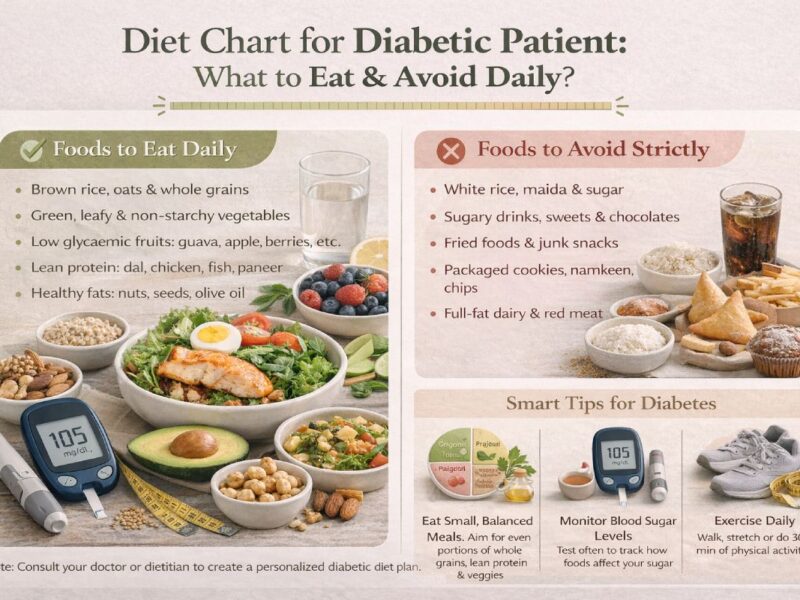
Combine Exercise with Diet: Exercise works best when combined with a healthy diet. You cannot out-exercise a bad diet. Focus on whole foods, lean proteins, vegetables, and whole grains while limiting processed foods, sugar, and unhealthy fats.
Maintain Proper Form: Especially with strength training, proper form is more important than the number of repetitions. If you’re unsure, consider working with a trainer or watch reliable instructional videos.
When to Avoid or Modify Exercise
While exercise is beneficial, there are times when you should be cautious:
- If you have advanced liver disease or cirrhosis, consult your doctor before starting any exercise programme
- During illness or when feeling very weak, rest and resume exercise once you recover
- Avoid exercising immediately after meals—wait at least 1-2 hours
How Long Until You See Results?
Everyone wants to know how quickly exercise will help their fatty liver. Here’s a general timeline:
- Week 1-2: You’ll feel more energetic and sleep better
- Week 3-4: You may start losing weight and notice improved stamina
- Week 6-8: Blood tests may show improvements in liver enzymes
- Month 3-6: Significant reduction in liver fat visible on ultrasound
Remember, sustainable results take time. Don’t get discouraged if changes seem slow at first. Every workout is contributing to your liver health.
Final Thoughts
Finding the best exercise for fatty liver isn’t about finding one magical workout—it’s about finding activities you enjoy and can stick with long-term.
Whether you choose walking in your neighbourhood, working out at home, or joining a gym, what matters most is consistency. Start where you are, use what you have, and do what you can.
Your liver has an amazing capacity to heal itself when you give it the right support. Regular exercise, combined with a healthy diet and proper sleep, can reverse fatty liver and transform your overall health.
Don’t wait for the perfect time or perfect plan. The best time to start is now, and the best exercise is the one you’ll actually do.
Take that first step today—your liver will thank you for it.